
Choose the reference that answers your question
Different sources answer different questions about Melvor Idle 2. The official Steam listing identifies the product and describes its features, while developer announcements establish dated release and platform information. The patch notes describe changes relative to the earlier build. An extracted item database can answer a narrower question about a named record, but its version determines what that answer actually covers.
Start by identifying whether you need an item source, a mechanic explanation or a current launch fact. That makes it easier to choose the relevant reference instead of accepting the first familiar-looking page title. A community report may help you investigate a problem without replacing the developer’s newer statement about a changed value. Keep the scope of the claim attached to the source that supports it.
What the advertised Codex is for
The official product description lists an in-game Codex for information about content and mechanics, including item uses and sources. That makes the installed game a sensible place to inspect an item you are already interacting with. Check the functionality actually exposed by your build rather than assuming every feature in broad storefront marketing is fully implemented. A feature description is useful context, but it is not a proof of every possible lookup result.
When an external page disagrees with an item in front of you, compare the item name and the version before spending resources. A recipe, an upgrade and a use for an item can be separate records even when they appear under the same broad activity. Reading the current description helps avoid treating a historical database row as a live instruction. The Stoners Pickaxe reference provides a concrete example of a named but locked demo recipe.
Read a demo database with its build label
The collected Melvor Idle 2 Demo Database identifies its scope as Demo 0.11.2. It separates sequel items, enemies, skills, quests and mechanics, which makes it useful for historical lookup. That explicit version is also a limit on the conclusions you can draw from it. A listed record can describe data shipped with the demo without proving that the same record is available or unchanged in paid Early Access.
The research did not find developer endorsement establishing the third-party sequel databases as the official sequel wiki. A domain containing the word wiki is not, by itself, evidence of that status. Use the versioned data for the question it can answer and use the official notes for changes it cannot independently verify. This approach preserves useful item information without presenting a demo snapshot as an authoritative current rulebook.
Keep the original game separate
The familiar wiki.melvoridle.com reference covers the original Melvor Idle. Recognizable names and related gameplay do not make its recipes, bonuses or progression formulas automatic sequel instructions. Check that a search result explicitly concerns Melvor Idle 2 before applying a detailed mechanic. This is especially important for tools and resource methods that can share vocabulary across the two games while behaving differently.
For example, the sequel Lockpick research concerns a Thieving Tool supply used with eligible chest actions. That should not silently become a first-game bonus simply because the name looks familiar. The same caution applies to economy routes and Prayer methods that have not been cross-checked in the sequel. If you are deciding which game to start, use the Melvor Idle 1 or 2 comparison for a platform- and development-based distinction.
Use official updates to resolve version conflicts
The launch notes explicitly distinguish Early Access from the demo and document changes absent from the earlier version. One clear example in the collected material is the reduction in feather sale value, which makes old demo money calculations unsafe to copy unchanged. Official launch information also separates the playable skill cap from broader full-release marketing. A current-looking page with an old figure should therefore be checked against the dated primary announcement.
A patch note’s silence is not proof that every unmentioned extracted formula remains unchanged. The Ward guide keeps its formula evidence tied to demo versions for exactly that reason. Likewise, agreement between two demo extractions does not demonstrate a mechanic in the paid build. Use a current official statement when one exists, and preserve a visible version limit when the evidence remains historical.
A repeatable item and mechanic lookup process
Identify the exact item or mechanic, confirm that the reference concerns the sequel, and read its version label before using its details. Compare any available in-game description with the relevant patch notes if the source predates the launch. When a source lists a placeholder or locked recipe, stop short of converting that record into a crafting walkthrough. These checks turn a directory of search results into a more reliable answer to the question you actually have.
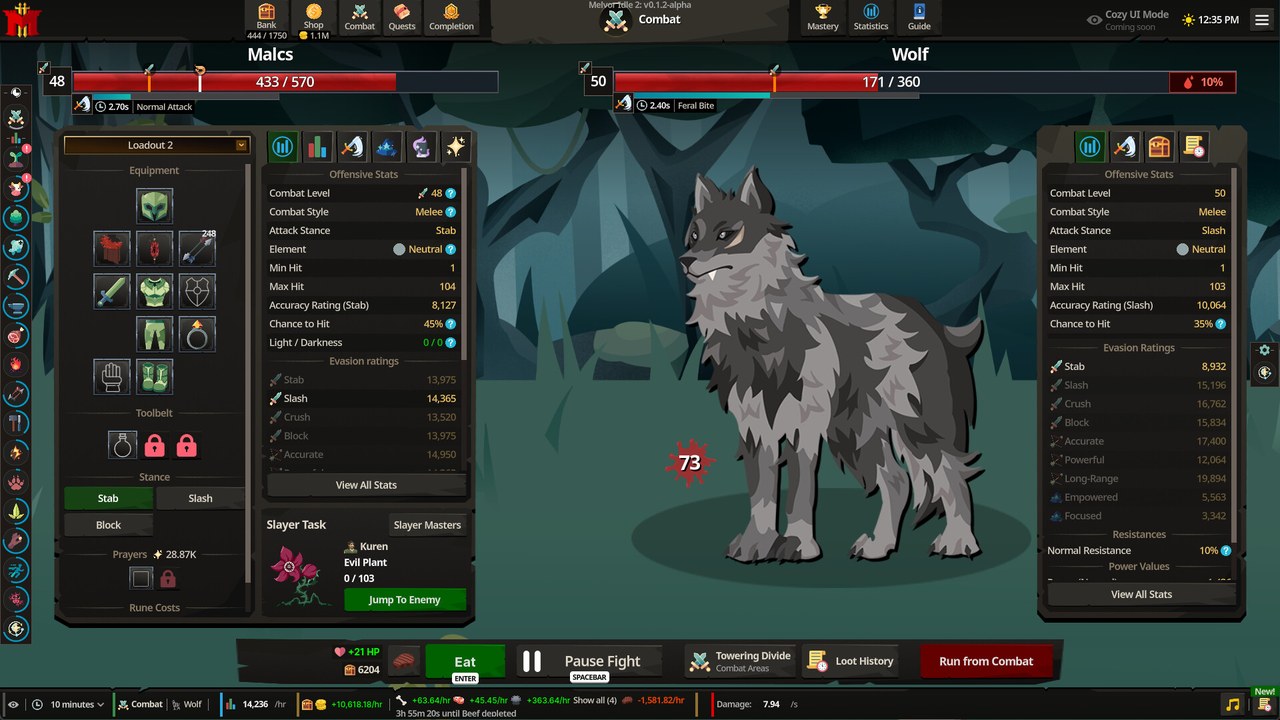
Keep screenshots, data records and community opinions in their proper roles while comparing them. A screenshot can illustrate the game without proving a recipe, and a popular discussion can suggest an investigation without supplying a benchmark. The guides on this site distinguish those cases and link the available primary sources. For current product status, continue with Early Access; for a practical item example, read Lockpicks and chests.
Multiple search results are not always independent evidence
Two pages can agree because they reproduce the same developer announcement or extract the same demo record. That agreement is useful for locating information, but it is not automatically a second independent test of the current game. Compare the underlying source and version rather than counting how many websites repeat a value. A later patch can change a shared historical value even when all of those pages remain internally consistent.
The same standard explains why a general trailer is not treated as proof of a narrow recipe or a specific drop rate. It can confirm the game identity and broad presentation without answering the item question. Use a source for the claim it actually establishes. This makes a smaller set of clearly attributed answers more reliable than a larger list of unqualified figures from mixed versions.
Frequently Asked Questions
Is an unofficial demo database the official sequel wiki?
The research did not establish developer endorsement for that claim. The collected database explicitly identifies a demo version. Use it as a versioned reference, not as proof that every current Early Access detail is documented there.
Can I use the original Melvor Idle wiki for sequel recipes?
It covers the original game, so a matching name is not enough. Check that the recipe or mechanic has sequel-specific evidence. Otherwise you risk importing a different game’s values into your current plan.
Where should I check changed balance values?
Start with the developer’s official patch notes and dated launch information. Compare them with the actual item or action shown in your installed build. A demo extraction remains historical evidence even when more than one site reproduces it.
Official Early Access Trailer
Sources and Further Reading
- Official Steam listing — app 3218350
- Official Early Access patch notes — November 17, 2026
- Unofficial Melvor Idle 2 Demo Database — version-labelled items, enemies, skills, quests and mechanics, Demo 0.11.2